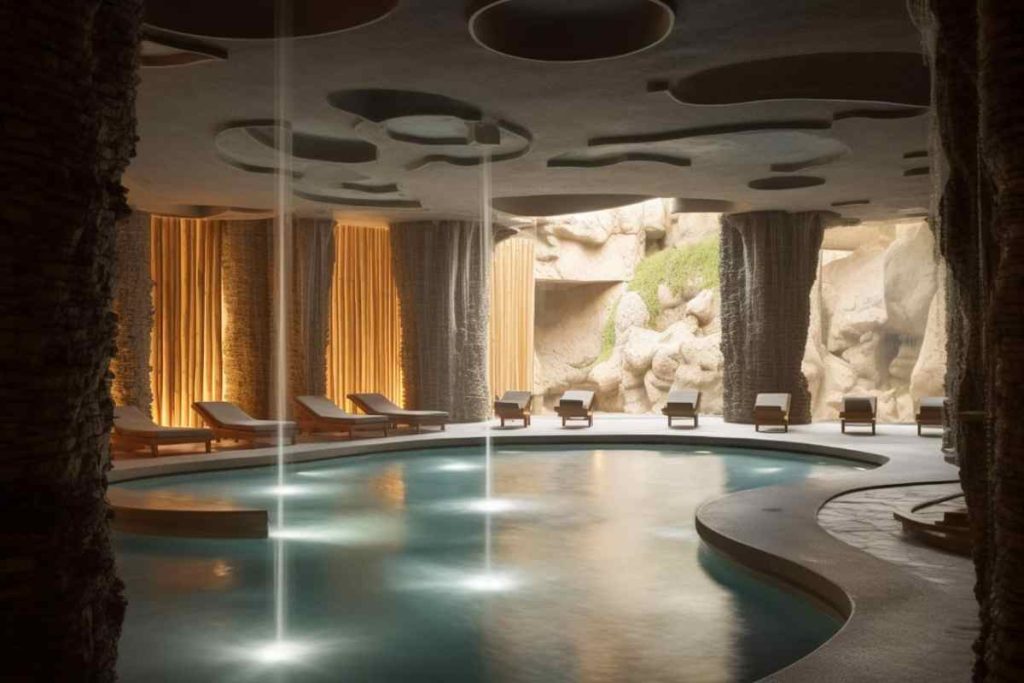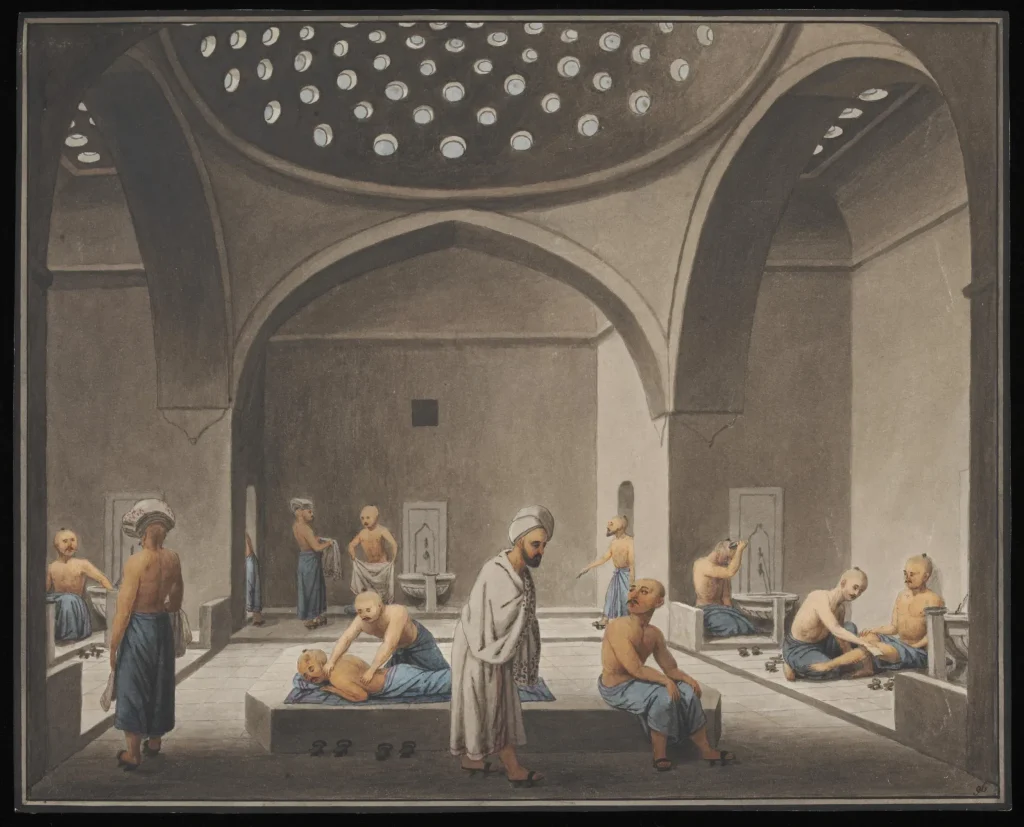
History of the Turkish Bath (Hammam) reveals how public bathing evolved into a communal ritual. Across centuries, these spaces have blended relaxation, social exchange, and spiritual cleansing into daily life and ceremony. The hammam has remained more than a bathhouse, serving as a stage where culture and hospitality unfold. Its enduring appeal lies in the way architecture, order, and social norms converge in a shared act of cleansing, steam bath traditions at its core. This rich heritage invites locals and travelers to experience a timeless practice that shapes community and well-being.
From grand marble baths to intimate neighborhood houses, this Turkish tradition has shaped public life across empires. In modern terms, it can be understood as a cultural bathhouse—a social institution that blends ritual care, hospitality, and communal gathering. Ottoman-era architecture, steam-filled rooms, and carefully choreographed sequences continue to inform contemporary spa experiences while preserving a sense of heritage. For visitors, this heritage offers a tangible link to everyday life and a sense of shared hospitality that transcends time.
History of the Turkish Bath (Hammam): Origins, Evolution, and Cultural Significance
History of the Turkish Bath (Hammam) traces its roots to ancient Mediterranean and Near Eastern traditions. The concept of steam-based cleansing moved from Roman thermae and Byzantine baths into Islamic urban life, where hygiene, sociability, and ritual merged into daily practice. Over centuries, the History of the Turkish Bath (Hammam) reveals a process of adaptation, blending older steam, water, and communal practices with a distinctly Turkish-Ottoman sensibility. This evolution set the stage for bathhouses to become public stages of everyday life, ceremony, and culture.
Architects designed spaces to guide visitors through a ritual journey from cool to warm to hot, with marble surfaces, domed ceilings, and softly lit interiors that invite calm and contemplation. The hammam’s architecture is as much a ceremonial map as a practical layout, shaping cleansing, steaming, exfoliation, and massage into a cohesive experience. Yet the value of the hammam goes beyond cleansing; it is a social and cultural space where hospitality, family rites, and shared stories bind communities. This encapsulates Turkish bath culture, where cleanliness, ceremony, and community intersect in a timeless practice.
Hammam origins: From Roman Thermae to Ottoman Urban Bathhouses
Hammam origins lie at the crossroads of Roman thermae, Byzantine baths, and early Islamic cleansing spaces. The idea of public warmth and purification traveled from imperial baths into neighborhoods, gradually taking on a Turkish-Ottoman character that emphasized communal ritual and social cohesion. This story—Hammam origins—highlights how ancient bathing concepts were transformed to suit changing urban life and religious culture.
As urban centers grew, these baths refined into architectural complexes with deliberate gendered spaces, timed visits, and ceremonial etiquette. The evolution shows a clear arc from monumental grandeur to accessible, everyday baths while preserving the ritual emphasis that marks hammam rituals and steam bath traditions. In this way, Hammam origins persist in today’s hybrids of heritage experiences and modern spa services, linking past and present in a continuing tradition.
Turkish bath culture: Architecture, Social Life, and Ceremonial Welcomes
Turkish bath culture thrives not only on cleansing but on social exchange, shared routines, and ceremonial hospitality. The architecture—marble surfaces, vaulted ceilings, and soothing heat—frames a relational space where locals and visitors exchange greetings, news, and mutual care. This sense of place—where space, scent, and sound combine—defines the character of the hammam and reinforces its cultural significance.
Across Ottoman cities and towns, baths hosted weddings, market days, religious observances, and steady streams of travelers, reinforcing community bonds and hospitality norms. Understanding Turkish bath culture means recognizing how these venues organized daily life, supported privacy and dignity through gendered arrangements, and offered a structured setting for ritual moments that mark important life events and social rites.
Steam bath traditions and Hammam rituals: Cleansing Through Practice
Steam bath traditions lie at the heart of the hammam experience. Visitors begin with a thorough wash to prepare the skin, then enter a warm room where humidity and heat open pores and ease muscle tension. The kese exfoliation, often performed with a rough glove, removes dead skin and stimulates circulation, while olive oil-based soaps create a cleansing lather that heightens sensory connection.
Rituals typically unfold as a sequence: wash, scrub, steam, rinse, and massage. Steam bath traditions soften the skin and relaxed body, turning cleansing into a holistic experience that nourishes both body and spirit. Modern hammams blend these traditional rituals with contemporary spa treatments, preserving heritage while inviting new audiences to participate in hammam rituals with a sense of renewal.
Ottoman bath history and the Modern Revival of Hammams
Ottoman bath history is marked by architectural milestones and cultural symbolism in imperial cities and provincial towns alike. Bathhouses served as civic landmarks, reflecting wealth and hospitality, while gendered spaces and carefully choreographed rituals elevated cleansing into an art form. The Ottoman bath history thus reveals how public baths shaped social norms, ceremony, and daily life across a vast empire.
Today’s revival focuses on restoration, responsible tourism, and the integration of traditional hammam rituals with modern wellness practices. Travelers and locals alike experience continuity with the past as grand architectural spaces meet contemporary spa amenities. In this way, Ottoman bath history informs today’s Turkish bath culture and global steam bath traditions, keeping the heritage vibrant while expanding its reach.
Frequently Asked Questions
What is the History of the Turkish Bath (Hammam) and how did Hammam origins influence its purpose?
The History of the Turkish Bath (Hammam) traces its roots to Roman thermae and Byzantine baths, then to Islamic cities where cleansing, warmth, and social life merged. Hammam origins emphasize cleansing as a communal act, shaping architecture, ritual practice, and hospitality-centered daily life.
How did Ottoman bath history shape architecture, status, and the social function of the hammams and their hammam rituals?
Ottoman bath history elevated baths to architectural landmarks with grand marble interiors and domed ceilings. The era introduced gendered spaces and scheduled visits, while hammam rituals—wash, scrub, steam, rinse, and massage—transformed cleansing into ceremonial acts that reinforced community ties and social status.
What characterizes Turkish bath culture in relation to steam bath traditions within the hammam experience?
Turkish bath culture blends hospitality, social exchange, and personal care. Steam bath traditions soften the skin and relax muscles, while the hammam experience follows a progression through cool, warm, and hot rooms, including exfoliation with a kese and massage for renewal.
What are the essential steps of hammam rituals and why are steam bath traditions central to the History of the Turkish Bath (Hammam)?
Essential hammam rituals include washing, exfoliating with a kese, steaming, rinsing, and massage. Steam bath traditions provide the heat and humidity that facilitate cleansing, relaxation, and a sense of balance between body and mind, making the ritual central to the History of the Turkish Bath (Hammam).
Why is the modern revival of the History of the Turkish Bath (Hammam) significant for heritage and tourism?
The modern revival preserves historic hammams, documents rituals, and pairs heritage with contemporary wellness. For visitors and locals, this continuity offers immersive experiences that celebrate Turkish bath culture while supporting sustainable tourism and cultural education.
| Aspect | Key Points |
|---|---|
| Overview | Public bathing evolved into a communal ritual; a space for relaxation, social exchange, and spiritual cleansing; across centuries the hammam intertwined daily life, ceremony, and culture and continues to captivate locals and travelers. |
| Origins of the Hammam | Crossroads of ancient Mediterranean and Middle Eastern traditions; Roman thermae and Byzantine baths shaped cleansing and social life; Islamic cities formalized bathhouses; the History of the Turkish Bath (Hammam) is an adaptation of older steam, water, and communal space ideas within a Turkish-Ottoman sensibility. |
| Architectural design and social function | A typical hammam guides visitors from cool to warm to hot, with a reception area, warm room, hot chamber, and cool washing area; spaces feature marble/stone, vaulted ceilings, and soft lighting; the layout acts as a ritual map for cleansing, steaming, exfoliation, and massage; hammams are social crossroads for merchants, families, and travelers, reinforcing community and hospitality. |
| Rituals and steam bath traditions | Rituals begin with a thorough wash, followed by exfoliation with a kese glove, olive oil-based soaps, and steam that softens skin and relaxes muscles; the typical sequence—wash, scrub, steam, rinse, massage—aims to restore balance and renew spirit. |
| Ottoman era and cultural significance | Bathhouses became architectural and cultural landmarks signaling wealth, hospitality, and social order; gendered spaces and etiquette governed use, while baths served ceremonies, weddings, religious observances, and civic life, influencing neighboring regions. |
| Regional variations and modern revival | Grand urban hammams with marble interiors and domed ceilings contrast with smaller neighborhood baths in rural areas; traditional experiences now coexist with modern spa services, supported by heritage restoration to offer immersive experiences or contemporary wellness. |
| Health, well-being, and respectful exploration | Heat and steam can aid circulation, skin health, and relaxation; mindful participation and respect for spaces are essential, with advice from attendants or medical professionals for those with health concerns. |
| The enduring appeal of the hammam | Cleansing coupled with social connection and spiritual calm—architectural ambiance and ritual structure invite reflection and renewal, whether in grand baths or neighborhood retreats. |
Summary
Table explains how the History of the Turkish Bath (Hammam) evolved from ancient bathing traditions to a distinct Turkish-Ottoman practice, detailing architecture, rituals, social functions, regional variants, health aspects, and enduring appeal.