Turkish bath etiquette sets the tone for a respectful, relaxing hammam journey. For travelers, a few practical hammam etiquette tips can boost comfort and confidence as you engage with the cleansing rituals, so you feel at ease from the moment you enter. Begin by noting the dress codes, the option to choose between private or shared spaces, and how you’ll cue attendants to your comfort level with gentle, clear communication. From the moment you arrive, through the anticipation of the first steam and the careful arrangement of towels, to the kese scrub and final rinse, listening attentively keeps the flow respectful and relaxed. Whether you’re visiting Istanbul’s historic baths or a modern Turkish-inspired spa abroad, cultivating mindfulness and respectful conversation helps you savor warmth, cleanliness, and the calm that makes this tradition so enduring for locals and visitors alike.
Beyond the surface rituals of steam and scrubbing, the hammam is a cultural space built on hospitality, ritual cleanliness, and social warmth. This bathhouse culture emphasizes privacy, consent, and thoughtful interactions between guests and attendants, guiding behavior even in busy rooms. Historic public baths with ornate marble rooms and modern spas that echo the classic practice share a common language of pace, clarity, and sensory comfort. A mindful approach—arriving on time, following local dress codes, and conveying preferences—lets you participate fully while preserving the dignity and comfort of everyone present. As you explore, you’ll notice how cleansing rituals, warmth, and quiet exchanges create a sense of calm that travelers remember long after leaving.
Turkish Bath Etiquette: A Gentle Guide to the Hammam Experience
Turkish bath etiquette shapes the rhythm of a hammam visit as much as the heat and marble. Mindfulness, quiet conversation, and respectful boundaries create a calm backdrop for cleansing rituals and social warmth to unfold. For newcomers, these hammam etiquette tips aren’t about rigidity but about making everyone feel comfortable, from staff to fellow guests, while you step into the steamy cocoon of the hammam experience.
As you prepare to visit a Turkish bath, expect clear guidance on consent, appropriate dress, and how to communicate preferences to attendants. Greet staff politely, acknowledge boundaries, and listen for cues during the kese scrub or massage. By aligning your expectations with Turkish bath rules and the overall etiquette, you’ll navigate the space with ease and enjoy the soothing sequence that follows in a respectful, relaxed manner.
Choosing the Right Hammam for Your Visit: Public Baths, Private Spas, and Your Hammam Experience
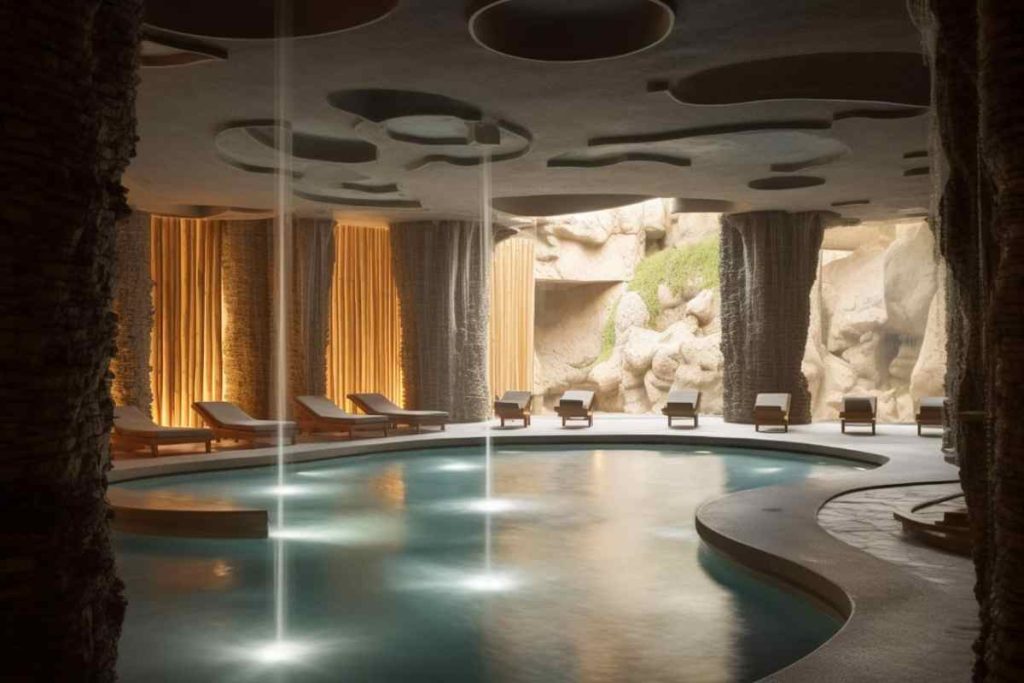
Historic public baths offer a living museum of Turkish tradition, where ages of ritual mingle with the architecture of marble rooms and aromatic steam. If you’re visiting a city with these venerable spaces, you may savor a social ambiance that feels authentically Turkish, even as staff guide you through modern conveniences. For a more predictable atmosphere, private spa settings provide clear signage, comfortable changing areas, and customizable massage options to tailor your hammam experience.
When you visit a Turkish bath, consider privacy levels, language accessibility, and whether a kese scrub is available. Some facilities emphasize gender-segregated spaces, while others offer mixed or private sections. Weighing these factors helps you choose a place that aligns with your comfort, time constraints, and the specific hammam experience you’re seeking, from a swift scrub to a full multi-service ritual.
Inside the Steam: A Descriptive Step-by-Step Journey in a Turkish Bath
Entering the hammam is a sensory invitation: heat clings to smooth marble, and the air carries a warming humidity that invites your muscles to loosen. Start with a quiet arrival and changing process, then allow yourself to acclimate in the first steam room. The steam bath in Turkey steadies the body and calms the mind as you sit or lie on a cool marble surface, letting pores open and breath deepen in a ritual that respects pace and comfort.
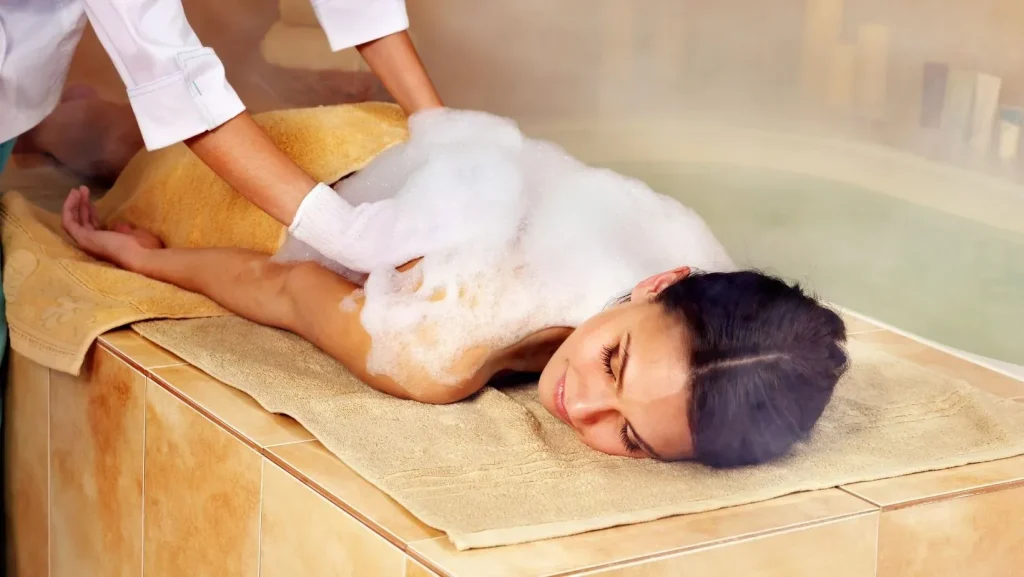
Next comes the kese scrub or a gentle soap wash, performed by a trained attendant who reads your comfort level and adjusts accordingly. If you’re unsure, speak up—communication shapes the intensity of the hammam experience. After cleansing, a massage or foam wash may follow, optional yet often welcome, before a final rinse and a restorative rest. This step-by-step journey is designed to balance warmth with calm, culminating in hydration and quiet reflection.
What to Wear, Bring, and Respect: Turkish Bath Rules You Should Know
Dressing for a hammam involves modesty and comfort, guided by Turkish bath rules. Many traditional spaces require guests to wear a wrap or towel (peshkir) and to remove street clothes at the entrance, while some modern facilities permit modest swimwear. Packing a lightweight robe or towel and a bottle of water helps you stay prepared and comfortable as you move between steamy rooms.
Respect for others’ space and the environment is central to the experience. Maintain a discreet pace, keep your wrap secure, and communicate your service preferences to attendants. If you’d like a kese scrub or a massage, ask politely and follow the attendant’s guidance. These simple actions reflect a respectful approach to Turkish bath rules and contribute to a serene atmosphere for everyone inside the hammam.
Health, Safety, and Culture: The Hammam as a Social Ritual Beyond a Spa
Health and safety are foundational to a rewarding hammam, especially for travelers navigating steam and heat. If you have conditions affecting heat tolerance, consult a clinician before visiting, and stay hydrated throughout. Listening to your body—exiting the steam room if you feel dizzy or unwell—ensures that your hammam visit remains enjoyable and safe, while you explore the broader cultural context.
Beyond cleansing, the hammam is a social ritual that connects guests with history, hospitality, and community. Even in modern spa settings, the etiquette—quiet conversations, staff consent, and respectful interactions—serves as a bridge to Turkish tradition. Embracing this cultural layer enriches the visit, turning a spa day into an immersion into centuries of care, warmth, and shared experience that many travelers seek when they decide to visit a Turkish bath.
Frequently Asked Questions
What are essential hammam etiquette tips to follow when you visit a Turkish bath?
Start with the basics: dress in a wrap or towel (peshkir) as required by the facility, greet staff politely, and communicate your comfort level for scrubs or massages. Maintain a quiet, respectful atmosphere throughout the session and tip discreetly for services you appreciate.
What should a first-time visitor know about Turkish bath rules during a hammam experience?
Turkish bath rules can vary by facility, especially around nudity and private versus public spaces. Check the dress code when you book and share your privacy preferences with staff. Begin with a standard scrub and wash, and speak up if you need adjustments to the intensity or pace.
How can I prepare for the hammam experience to respect others and maximize comfort?
Choose a hammam that fits your comfort level, bring a towel, and stay hydrated. Arrive early to allow time for changing and orientation, and observe how locals move between spaces. Listen to attendants, pace your session to your comfort, and approach the ritual with patience and mindfulness.
What is the proper way to dress and behave during a visit to a Turkish bath to navigate the steam bath in Turkey?
Follow the facility’s dress code, commonly a wrap or towel, and maintain modesty and personal space. Keep voices low, respect others’ privacy, and clearly communicate consent for any additional services like kese scrubs or massages. Move calmly between rooms and adhere to hygiene practices.
What should I know about Turkish bath rules around nudity, privacy, and tipping in a hammam?
Nudity norms depend on the area and gender sections; some zones require nudity in private spaces while others may require modest attire. Respect privacy, follow staff guidance, and tip attendants for services you value, such as scrubs or massages. When in doubt, ask at the front desk before proceeding.
| Aspect | Key Points |
|---|---|
| Purpose and Experience | A centuries-old cultural ritual centered on hospitality, cleanliness, and community; aims to pamper while honoring customs. |
| Etiquette Philosophy | Mindfulness and comfort for everyone; enjoyment of cleansing rituals, warmth, and calm through respectful behavior. |
| Terminology | Hammam = bathhouse; kese = exfoliating scrub; nudity policies and dress codes vary by facility. |
| Preparation | Understand dress code, time, privacy, and language preferences; decide on a scrub or massage; start with a standard scrub if unsure. |
| What to Wear and Bring | Wear a wrap or towel (peshkir); bring a towel/robe; stay hydrated; wear appropriate footwear; follow posted rules. |
| Etiquette Basics | Be punctual; greet staff; request consent; maintain quiet; tip appropriately for services received. |
| Choosing the Right Hammam | Historic public baths vs private spa; consider privacy, language accessibility, services, and budget. |
| Inside the Hammam: Step-by-Step Journey | Arrival and changing; first steam; kese scrub; soap wash; massage/foam wash; final rinse; rest and hydration. |
| Rules and Boundaries | Nudity/modesty varies by facility; respect personal space; grooming norms; hygiene; tipping etiquette. |
| Tips for First-Timers | Arrive early; observe locals; pace yourself; stay hydrated; embrace the ritual. |
| Health and Safety Considerations | Consult for heat tolerance if needed; pregnancy guidance; exit steam if dizzy; inform about skin conditions. |
| The Hammam as Culture | A social space that connects travelers with locals; etiquette links to history and deep cultural meaning. |
| Common Traveler Questions | Clothes in hammam; tipping norms; typical session duration; bringing friends; gender-specific options. |
Summary
Turkish bath etiquette shapes every moment, guiding visitors toward a calmer, more restorative hammam experience that blends cleansing rituals, warmth, and mindful social interaction. Throughout preparation, participation, and departure, the etiquette fosters respect for staff and fellow guests, enhancing the sense of modesty, consent, and cultural appreciation. By approaching the hammam with awareness of dress codes, service options, and personal pace, travelers can enjoy the cleansing traditions, soothing heat, and communal calm that define this ancient practice. Ultimately, Turkish bath etiquette is not just about rules; it is a doorway to heritage, wellness, and shared humanity in the steam-warmed spaces of hammams around the world.